AI Manifesto

AI Manifesto

End of visual illusion: has thinking replaced aesthetics?

For years, we confused quality with appearance.

Perfect slides.
Polished websites.
Sophisticated interfaces.

Colossal energy spent on alignment. On colour.
Often to compensate for a void.

A blurred message.
A fragile decision.

AI has ended that illusion.

Today, making things look "good" is trivial.
Design has become accessible.
Almost free.

What remains visible now,
is the quality of thinking.

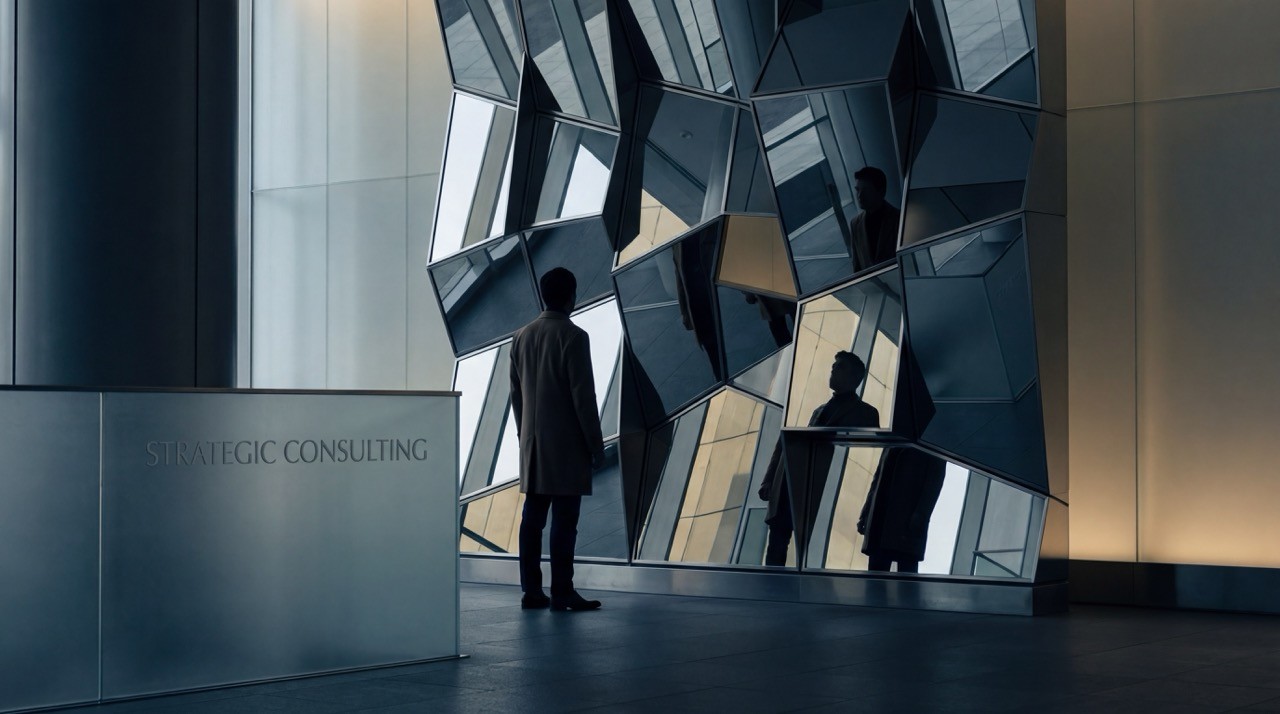
AI acts as a mirror.
Ruthless.
It removes technical excuses.
It brings substance back to the surface.

Companies are no longer evaluated on aesthetics.
They are evaluated on clarity.
On the precision of execution.

Design becomes a channel.
Clarity becomes the signal.

Beyond the gadget: how to transform AI into invisible infrastructure?
The same misunderstanding surrounds ChatGPT.

Everyone uses it.
Few integrate it.

In the majority of companies, AI remains a reflex.
Copy. Paste.
A powerful assistant, but disconnected.

The promise was leverage.
The reality is often a gadget.

Why?
Because the real shift is not consultation.
It is orchestration.

Moving from a company that "uses AI"
to a company built on AI.

The figures?
A median ROI of 150% in the first year.
A 75% reduction in processing time for repetitive tasks.

But this requires a paradigm shift.
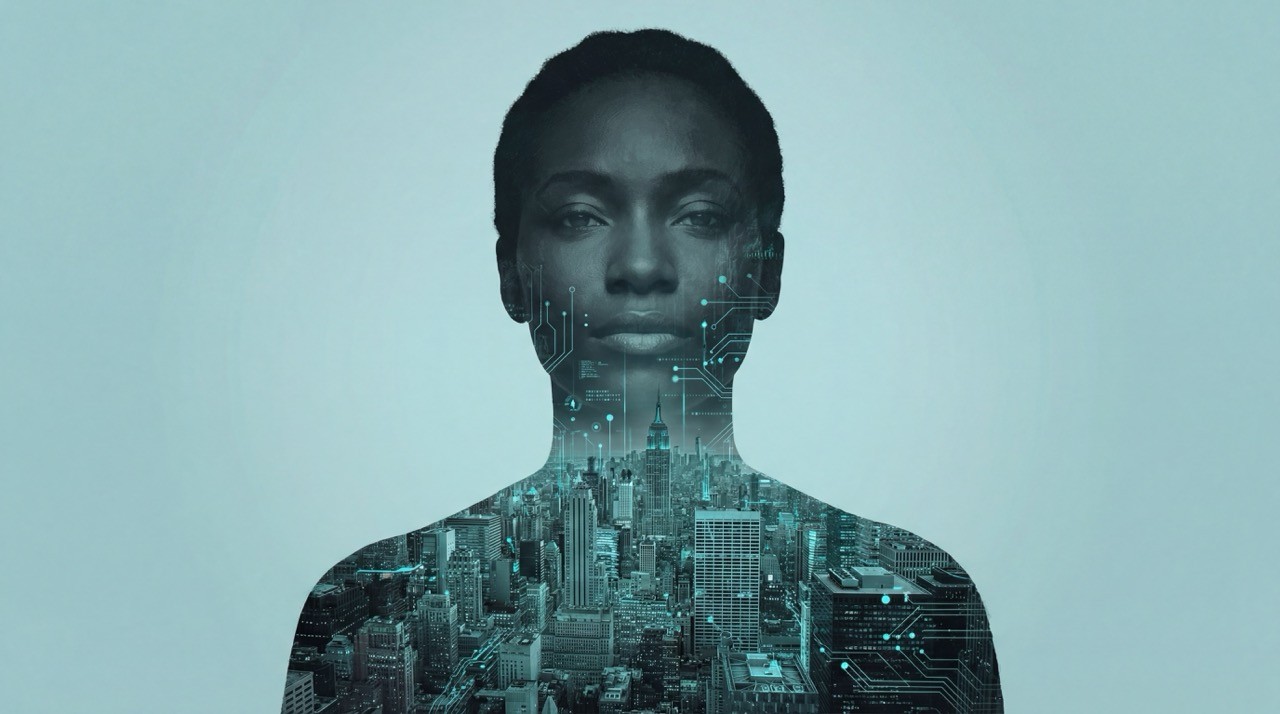
AI must no longer be a tool you open.
It must become infrastructure that runs.

Invisible.
Structural.

The same misunderstanding surrounds ChatGPT.

Everyone uses it.
Few integrate it.

In the majority of companies, AI remains a reflex.
Copy. Paste.
A powerful assistant, but disconnected.

The promise was leverage.
The reality is often a gadget.

Why?
Because the real shift is not consultation.
It is orchestration.

Moving from a company that "uses AI"
to a company built on AI.

The figures?
A median ROI of 150% in the first year.
A 75% reduction in processing time for
repetitive tasks.

But this requires a paradigm shift.
AI must no longer be a tool you open.
It must become infrastructure that runs.

Invisible.
Structural.

Bricklayer or Conductor: what is the human role in compound engineering?

This logic extends to development.

Before, building software meant typing code.
Time-consuming. Fragile. Opaque.

This centre of gravity is shifting.

We no longer build by typing.
We build by directing.

The human does not disappear.
They change roles.
From execution to orientation.

Defining objectives.
Setting constraints.
Judging the result.

This is compound engineering.
Each project strengthens the next.
Growth no longer creates complexity.
It creates capacity.
The algorithm is only 10% of the equation: have you mastered the 10-20-70 rule?

Naturally, one fear dominates: employment.

AI as the executioner.
This is a simplistic view.

AI does not destroy roles overnight.
It remodels them.

Less data entry.
More supervision.
More governance.

The winners apply the 10-20-70 rule.

  • 10% on algorithms.

  • 20% on technology and data.

  • 70% on people and culture.

The real risk is not automation.
It is an unmanaged transition.
Investing in the machine without training the human is commercial suicide.

When the interface disappears: will your brand survive the invisible economy?

A quieter revolution is underway.

The end of screens.

For twenty years, everything
has gone through an interface.
Click. Scroll. Look.

AI breaks this pattern.
Computing becomes ambient.

Agents act in the background.
They book. They buy. They decide.

In this world without visual interfaces,
trust becomes the only interface.

Brands will no longer need to be "seen".
They will need to be "selected".
By systems. For humans.

A quieter revolution is underway.

The end of screens.

For twenty years, everything has
gone through an interface.
Click. Scroll. Look.

AI breaks this pattern.
Computing becomes ambient.

Agents act in the background.
They book. They buy. They decide.

In this world without visual interfaces,
trust becomes the only interface.

Brands will no longer need to be "seen".
They will need to be "selected".
By systems. For humans.

Ethics as a competitive advantage: is the human always in the loop?

So, how do you remain relevant?

The objections are legitimate.
Ethics. Bias. Privacy.

Yes, models learn from an imperfect internet.
But supervised AI can expose these biases.
Better than opaque human judgement.

This is the principle of "Human-in-the-loop".
The human in the loop.
Always.

For critical decisions.
For ethics.
For nuance.

What AI cannot simulate is your intention.
Your lived experience.
Your doubts.

In a world of generated content,
authenticity becomes a strategic asset.

Conclusion: Miracle or threat, do you accept AI for what it really is?

My philosophy is simple.

AI is neither a threat.
Nor a miracle.

It is an amplifier.

It amplifies clarity or confusion.
Maturity or unpreparedness.

My role is to ensure it amplifies the right things.

Clarify before accelerating.
Structure before automating.
Think before producing.

That is how AI becomes a sustainable advantage.

Quiet.
Controlled.
Decisive.

My philosophy is simple.

AI is neither a threat.
Nor a miracle.

It is an amplifier.

It amplifies clarity or confusion.
Maturity or unpreparedness.

My role is to ensure it amplifies the right things.

Clarify before accelerating.
Structure before automating.
Think before producing.

That is how AI becomes
a sustainable advantage.

Quiet.
Controlled.
Decisive.

Valentin

Digital Consultant

Want to share your thoughts?
Let's chat!